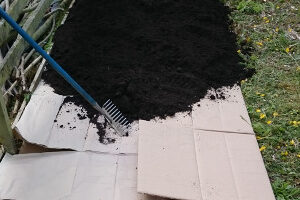
Companion Planting For Pollination
Maximising Pollination
Here’s a tip to help encourage pollinators to your garden, especially to flower-bearing crops like beans, tomatoes and cucumbers etc.
In this example we show runner beans which are easy to grow and will do so like crazy once the get going. However, they can take forever to get to something that looks like it might be capable of climbing the “pride-and-joy” that is your A-frame.
Because of this, when we sow or transplant runner beans we like to use the space between the rows to grow a quick companion crop of radishes. Depending on the variety and the weather etc., we can usually get two or three crops out before the beans have grown large enough to smother the radishes.
However, if you don’t get all the radishes up in time don’t worry. Just let them go to seed and they’ll produce beautiful sweet-smelling flowers that pollinators love. These flowers will poke out from between your bean plants and attract all sorts of pollinators well before the bean flowers appear, so that when they finally do flower the pollinators are already waiting for them.
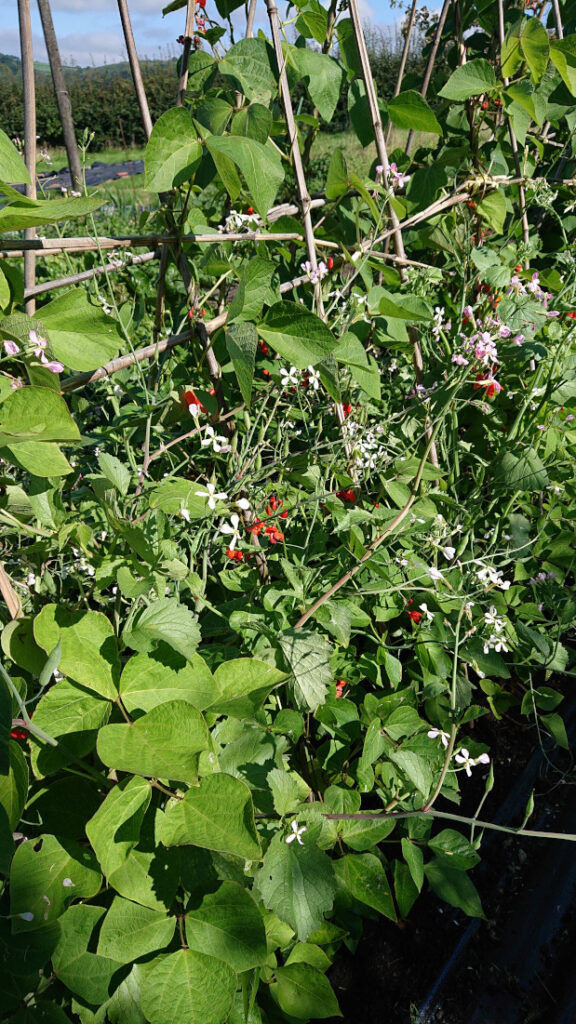

The radishes don’t interfere with the runner beans and if anything they add to the soil structure, especially if you leave the roots in the ground when you finally lift them after the beans have finished.
This type of companion planting also works well with any other slow growing plant that require insects for pollination.
Bonus Tip
Leave bean roots in the ground after harvesting has finished as the little nodules on their roots of legumes fix nitrogen from the air. The roots will decay over time adding organic matter, increase aeration and improve drainage while releasing the nitrogen into the soil.